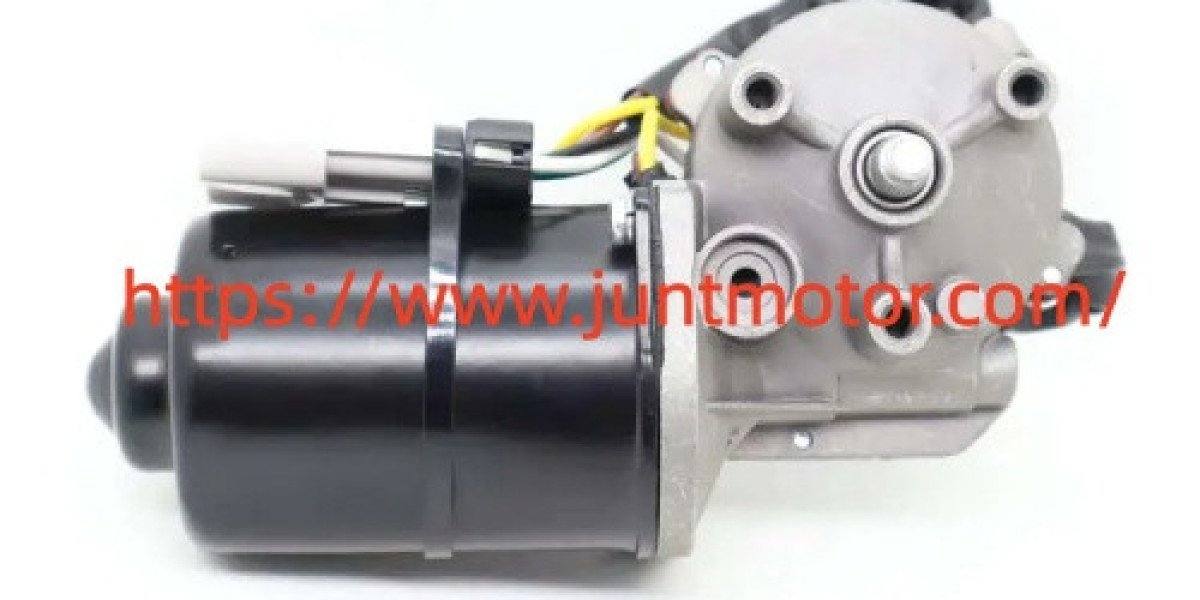

F006 WM0 308 Wiper Motor selection should begin with a careful review of the vehicle and the existing wiping system. Buyers should not rely on a reference number alone when preparing an order. Voltage, rotation direction, mounting structure, connector position, shaft dimensions, and operating conditions all deserve attention. A clear specification review can reduce compatibility problems and make communication between purchasing teams and manufacturers easier.
Electrical compatibility is one of the first points to verify. Available product records identify this unit as a 24V component with clockwise rotation and front fitting. These details should be compared with the original assembly and the electrical architecture of the intended vehicle. A difference in voltage or rotation direction can affect the way the complete wiping mechanism operates.
Mechanical fit is equally important. Buyers should measure the mounting points, housing dimensions, shaft position, shaft size, and available installation space. The linkage connected to the assembly also needs attention. Even a small difference in mounting geometry can make installation difficult. For replacement projects, photographs and technical drawings can provide useful information before production or purchasing begins.
Vehicle application should also be checked carefully. Public compatibility records associate this reference with Mercedes Benz OH 1316 and several commercial vehicle applications. Other catalog information lists applications across older Mercedes Benz commercial vehicle series. Because vehicle configurations can vary according to production period and market, buyers should confirm the exact vehicle information before placing an order.
The operating environment is another practical consideration. Commercial vehicles may work for extended periods in rain, dust, cold weather, or areas with frequent road vibration. Construction and industrial equipment can introduce additional mechanical stress. Buyers should explain where the component will be installed and how frequently it will operate. This information helps a manufacturer evaluate the application instead of making assumptions from a reference code alone.
The condition of the surrounding mechanism should also be considered. Slow movement does not always mean that the electrical component itself has failed. A worn linkage, damaged pivot, poor electrical connection, faulty switch, or excessive mechanical resistance can create similar symptoms. Checking related electrical and mechanical factors can help identify the actual cause before replacement.
For replacement purchasing, buyers can prepare a simple technical checklist. Start with the original reference, vehicle model, production year, voltage, rotation direction, mounting dimensions, connector type, and shaft information. Adding clear photographs of the original unit and installation area can make the supplier assessment more efficient.
OEM buyers may have additional requirements. A new vehicle or equipment project may need a particular mounting arrangement, shaft configuration, connector design, output characteristic, or production specification. In such cases, a standard catalog description may not provide enough information for final selection. Sharing drawings or samples allows the manufacturer to review the application in greater detail.
Juntmotor specializes in automotive components, DC products, and reduction drive solutions. Its product range includes windshield clearing components, while its manufacturing information also indicates support for customized development based on customer requirements. This can be useful for distributors, repair businesses, fleet operators, and OEM purchasing teams that need technical coordination during sourcing.
Quality and production communication should be discussed before a larger order. Buyers can ask about sample approval, inspection procedures, production consistency, packaging, identification labels, and delivery arrangements. These details may seem routine, but they can become important when a component is purchased for fleet maintenance or incorporated into a larger assembly.
Maintenance planning is another useful part of the purchasing decision. If a vehicle operates frequently, replacement components should be selected with the actual usage pattern in mind. Buyers can also inspect the linkage, wiring, fuse, switch, and mounting structure during installation. Addressing related issues at the same time can help prevent unnecessary repeat work.
A practical sourcing process therefore begins with application information rather than price alone. Confirm the electrical system, physical fit, vehicle details, operating environment, and installation requirements. Then provide the manufacturer with the original reference, drawings, samples, or photographs when available. This gives both sides a clearer basis for technical discussion.
For distributors, fleet operators, workshops, and OEM purchasing teams, Juntmotor offers automotive motor products and related manufacturing support for different application requirements. The available product range can be reviewed at https://www.juntmotor.com/product/ when comparing replacement options or preparing a new sourcing project.