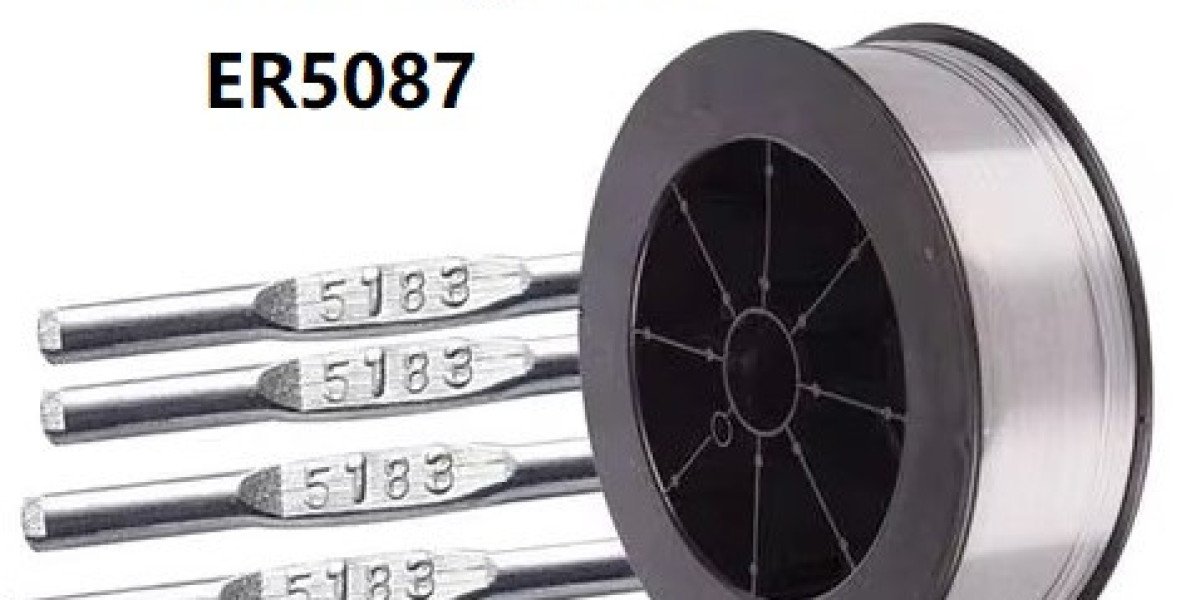

Selecting a suitable filler metal can make a noticeable difference when aluminum fabrication requires stable welding, dependable joint formation, and practical production efficiency. For projects involving different aluminum alloys and demanding working conditions, Aluminum Welding Wire ER4943 offers an interesting option for fabricators seeking a balance of strength, weldability, and corrosion-related performance. When evaluating Aluminum Welding Wire ER4943, manufacturers should consider the base alloy, joint design, welding process, service environment, and required mechanical characteristics rather than choosing a consumable based on a single feature.
Understanding the Role of ER4943
Aluminum welding requires careful attention because the material behaves differently from many commonly welded steels. Its surface oxide layer, thermal characteristics, and sensitivity to contamination can all influence the final weld.
ER4943 is an aluminum-based filler wire containing magnesium and silicon. These alloying elements contribute to the wire's overall welding characteristics and can influence strength, fluidity, and crack resistance. The combination makes the material suitable for selected applications where manufacturers need a practical balance between welding performance and finished-joint properties.
The choice of filler should always begin with the base material. Different aluminum alloys may require different filler approaches, and the final application can place additional demands on the joint.
For example, a component used outdoors may face moisture and temperature changes, while an industrial assembly may experience repeated mechanical loading. Understanding these conditions helps manufacturers determine whether a particular filler is appropriate.
Rather than treating filler wire as a simple consumable, production teams can consider it part of the complete welding system.
Supporting Smooth MIG and TIG Welding
One useful characteristic of ER4943 is its compatibility with commonly used aluminum welding processes. It can be used in MIG and TIG applications when the wire, base material, equipment, and qualified procedure are properly matched.
In MIG welding, stable wire feeding is important because interruptions can affect productivity and weld consistency. Correct equipment setup, suitable feed components, and appropriate welding parameters can help operators maintain a controlled arc.
TIG welding provides a different working approach and can be useful when greater control over the weld is required. Proper heat management is particularly important when working with aluminum, especially when welding thinner sections.
Surface preparation also has a major influence on results. Aluminum naturally develops an oxide layer, and contamination can contribute to welding problems. Cleaning the joint area and keeping the filler wire protected can help create more controlled welding conditions.
Shielding gas should also be managed according to the applicable welding procedure. Gas coverage, torch positioning, travel speed, current, and heat input work together to influence weld formation.
A consistent process can help operators achieve more predictable results across repeated production tasks.
Kunliwelding and Application-Based Material Selection
For manufacturers purchasing aluminum welding wire, product selection should be connected to the actual fabrication requirement. Factors such as wire diameter, alloy specification, packaging, order quantity, and welding method can all influence purchasing decisions.
Kunliwelding provides aluminum welding consumable solutions for businesses working with different fabrication requirements. Buyers can communicate their base material, welding process, application environment, and production needs when evaluating suitable options.
This approach can be particularly useful for companies with recurring manufacturing programs. Instead of repeatedly choosing consumables from scratch, procurement and technical teams can establish material specifications that correspond with established production procedures.
Inventory management is another consideration. When several aluminum filler specifications are used in the same workshop, clear labeling and organized storage can help prevent material mix-ups.
Proper storage also helps protect welding wire from unnecessary contamination and moisture exposure. Keeping consumables in suitable conditions until they are required for production supports better material management.
For larger projects, purchasing teams may also consider supply continuity and packaging requirements. A clear understanding of expected consumption can make replenishment planning easier.
Good communication between the supplier, procurement team, and welding department can therefore improve the overall material-selection process.
Practical Applications Across Different Industries
Aluminum welding is used across many industries where lightweight structures and corrosion-related performance are valuable. Depending on the base alloy and qualified procedure, ER4943 may be considered for applications involving transportation, industrial equipment, construction, marine-related fabrication, and other aluminum assemblies.
In transportation manufacturing, aluminum components can require welding processes that balance structural requirements with production efficiency. Filler selection becomes part of the broader process used to produce frames, panels, supports, and other components.
Industrial equipment can present different challenges. Machinery components may experience vibration, repeated loads, temperature changes, or exposure to workshop environments. A suitable welding consumable can contribute to the overall performance of the finished assembly when properly matched to the application.
Outdoor and marine-related structures can also require careful consideration of environmental exposure. Moisture and corrosive conditions make material selection especially important.
Construction applications may include aluminum frames, doors, windows, architectural structures, and other fabricated elements. In each situation, manufacturers should confirm compatibility with the base material and applicable welding standards before production.
The important point is that no filler should be selected solely because it performs well in one application. The complete project specification should guide the decision.
Creating a More Consistent Welding Workflow
Consistent welding results depend on more than the filler wire itself. Operators, equipment, preparation, parameters, and material handling all contribute to the final outcome.
Before welding begins, the workpiece should be properly prepared and the equipment checked. Wire feeding components should be in suitable condition, while shielding gas and welding parameters should follow the applicable procedure.
Production teams can also benefit from documenting successful welding settings. Recording useful information about wire diameter, material combination, equipment configuration, and operating parameters can make repeat projects easier to manage.
Inspection is another important part of fabrication. Depending on the application, manufacturers may use visual inspection, dimensional checks, or other suitable quality-control methods to verify the finished weld.
Training can further support consistency. Operators who understand how surface preparation, wire selection, heat input, and feeding performance interact are better positioned to identify potential problems during production.
For businesses handling regular aluminum welding projects, a systematic approach can reduce unnecessary adjustments and improve workflow organization.
Ultimately, selecting a suitable aluminum filler is about matching material characteristics with real production requirements. When base alloy compatibility, welding method, equipment setup, storage, and service conditions are considered together, manufacturers can make more informed decisions.For additional information about aluminum welding wire solutions and related applications, visit https://www.kunliwelding.com/ .