
Introduction
You have a beautiful logo, a stunning piece of artwork, or a meaningful photograph that you want to turn into an embroidery design. You upload it to an automatic converter, hit the button, and what comes out is a tangled mess of stitches that barely resembles your original image. I have seen this happen countless times, and it is always disappointing. The truth is that turning a flat image into stitch instructions is a specialized skill that requires human expertise, artistic judgment, and technical knowledge. Embroidery Digitizing Services exist precisely because this process is far more complex than most people realize.
When you hire a professional digitizing service, you are not just paying for a file conversion. You are paying for years of experience, an understanding of how thread behaves on different fabrics, and the artistic ability to translate your vision into something that looks amazing when it is stitched out. The difference between amateur and professional digitizing is night and day, and once you see the results of expert work, you will never go back to automatic conversion again.
Let me take you inside the world of professional embroidery digitizing. I will explain what happens when you send your artwork to an expert, how they transform your image into a perfect stitch file, and what you should look for when choosing a digitizing service. Whether you are a business owner producing branded merchandise, a hobbyist creating gifts, or someone in between, understanding this process will save you from countless headaches and wasted materials.
What Exactly is Embroidery Digitizing?
Let us start with the basics. Embroidery digitizing is the process of taking a two-dimensional image and converting it into a set of instructions that an embroidery machine can understand. These instructions are stored in a file format like PES, DST, JEF, or EXP, depending on your machine's brand.
But here is the thing. A computer cannot simply look at an image and know how to stitch it. The image has no information about stitch direction, density, or underlay. It does not know which areas should be filled with satin stitches and which should use tatami or running stitches. It cannot compensate for the way fabric puckers or stretches during stitching. These are all decisions that a skilled digitizer must make.
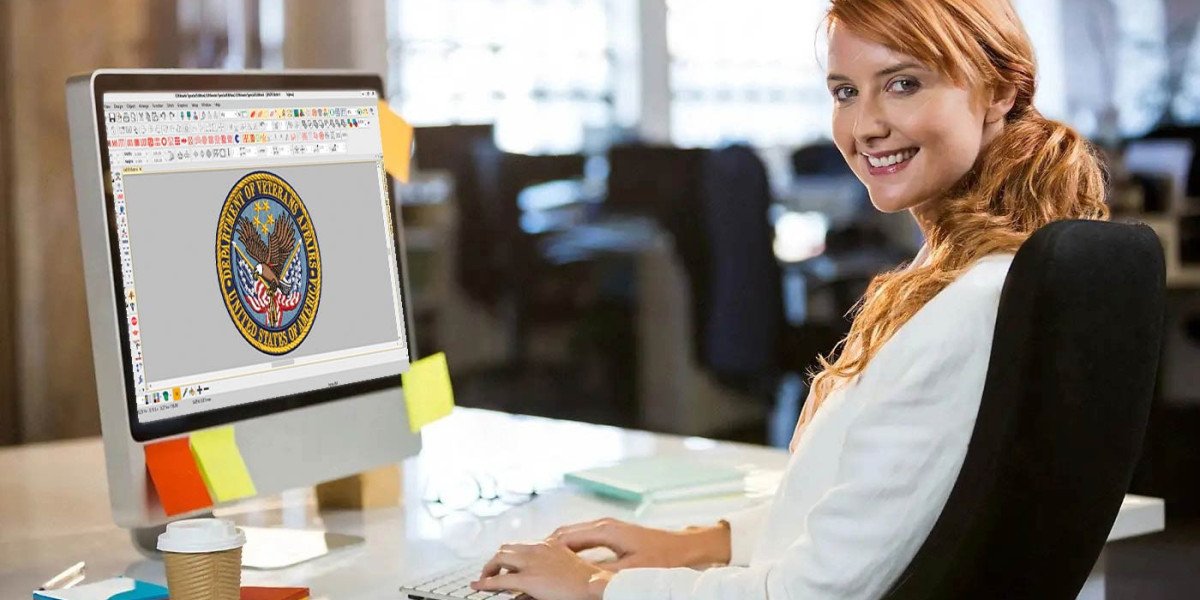
Professional digitizers use specialized software that allows them to manually trace your image and assign stitch parameters to every element. They decide the stitch angle, density, and type for each area. They add underlay stitches to stabilize the fabric and prevent distortion. They optimize the stitching order to minimize thread changes and jump stitches. Every single decision affects the final quality of your embroidery.
Think of it like this. Automatic conversion is like giving a robot a paintbrush and telling it to paint a portrait. It might produce something that vaguely resembles a face, but the proportions will be wrong, the shading will be flat, and the overall effect will be disappointing. Professional digitizing is like hiring a master portrait artist who understands anatomy, lighting, and brush technique. The result is a work of art.
Why Quality Digitizing Matters
You might be tempted to save money by using automatic conversion or hiring the cheapest digitizer you can find. Let me explain why this is almost always a false economy.
Poorly digitized designs produce ugly embroidery. The stitches might be too dense, causing the fabric to pucker and the design to look stiff and unnatural. They might be too loose, leaving gaps where you can see the fabric underneath. The edges might be jagged and uneven, making the design look amateurish. Color changes might be messy, with threads bleeding into each other.
Beyond the aesthetic issues, poor digitizing creates practical problems. Design that are not properly optimized take much longer to stitch out, wasting your time and increasing your production costs. They use more thread than necessary, eating into your materials budget. They can even damage your machine by causing thread breaks, needle breaks, and excessive wear on the moving parts.
Quality digitizing eliminates all these problems. A well-digitized design stitches out smoothly and efficiently. The thread usage is optimized. The edges are crisp and clean. The design looks exactly as you imagined it would. Your machine runs smoothly, and you produce beautiful embroidery every single time.
For businesses, the stakes are even higher. Your embroidery represents your brand. If it looks cheap and amateurish, that reflects poorly on your entire operation. Professional digitizing ensures that your logo, your name, and your message are presented in the best possible light.
The Digitizing Process Step by Step
Let me walk you through what happens when you send your artwork to a professional digitizing service. Understanding this process will help you appreciate the value of what you are paying for.
The process begins with an initial consultation. The digitizer asks about your project. What is the design being used for? What fabric will it be stitched on? What size do you need? How many colors can you use? These questions are not just formalities. They directly affect how the design will be digitized.
Next, the digitizer imports your artwork into professional software. They start by tracing the major shapes and creating vector paths. This is where the artistic judgment comes in. The digitizer decides which details to preserve and which can be simplified or eliminated. Embroidery cannot handle the same level of detail as a printed image, so decisions must be made about what is important.
Then comes the assignment of stitch types. Satin stitches are used for borders and outlines where you need smooth, shiny edges. Tatami stitches fill larger areas with a textured, woven look. Running stitches are used for fine details and small text. The digitizer chooses the right stitch for each part of the design.
Stitch angles and densities are set next. The angle of the stitches affects how the design looks and how it interacts with the light. The density affects how full and rich the stitching appears. These parameters must be balanced carefully. Too dense and the fabric puckers. Too sparse and the design looks thin.
Underlay is added to stabilize the fabric and provide a foundation for the top stitches. This is a critical step that automatic converters often skip. Proper underlay prevents distortion and ensures that the final design sits flat and smooth on the fabric.
Finally, the digitizer optimizes the stitching order. They arrange the stitches so that the machine works efficiently, minimizing thread changes and jump stitches. This step saves time and reduces wear on your machine.
Different Digitizing Techniques for Different Needs
Professional digitizers have a toolbox of techniques that they apply depending on what you need. Understanding these can help you communicate better with your digitizer and get the results you want.
Flat digitizing is the most common type. The design is digitized to sit flat on the fabric, with no dimensional effects. This works well for logos, text, and most general embroidery designs. The stitches lie flat and the design looks clean and professional.
3D puff digitizing creates a raised, three-dimensional effect by placing foam under the stitches. This is popular for baseball caps and outdoor gear. The technique requires careful attention to stitch density and placement to ensure the foam does not show through.
Applique digitizing combines embroidery with fabric pieces. The design is digitized to outline where the fabric should be cut and placed, then the embroidery secures the edges and adds decorative details. This technique is efficient for large designs because it uses less thread and stitches faster.
Filled designs have areas of dense stitching that cover large sections of fabric. These require careful attention to underlay and density to prevent puckering. The digitizer must also manage thread tension to ensure the filled areas are smooth and even.
Each technique has its own requirements and challenges. A skilled digitizer knows which technique to use for each project and how to execute it perfectly.
How to Choose the Right Digitizing Service
With so many digitizing services available online, how do you choose the right one? I have some practical advice that will help you separate the professionals from the amateurs.
Look at their portfolio first. Any legitimate digitizer will have examples of their work showing both the original artwork and the finished embroidery. Pay attention to the quality of the stitching, the crispness of the edges, and the accuracy of the color matching.
Read reviews and testimonials. Happy customers are usually happy to share their experiences. Look for feedback about turnaround times, communication, and the quality of the final product. Be wary of services with no reviews or with only generic, glowing testimonials that seem too good to be true.
Ask about their process. A professional digitizer will be happy to explain how they work and what you can expect. They will ask you questions about your project and provide clear information about pricing and timelines.
Check their experience with your type of design. Some digitizers specialize in logos, while others excel at photographic images or text-heavy designs. Choose someone who has experience with the kind of work you need.
Consider their turnaround time and pricing. Quick turnaround is great, but not at the expense of quality. Similarly, the cheapest option is rarely the best value. Look for a balance of reasonable pricing, good communication, and proven quality.
The True Cost of Bad Digitizing
I want to be honest with you about the real costs of bad digitizing. It is not just about the money you spend on the conversion itself. The hidden costs can be substantial.
Every time a poor design breaks a needle or causes a thread jam, you lose time. Every time you have to re-stitch a design because it puckered or looked wrong, you waste materials. Every time a customer complains about the quality of your embroidery, you risk your reputation.
When you add up all these costs, a cheap digitizing service becomes incredibly expensive. You end up spending more on wasted materials, lost time, and lost business than you saved on the conversion. It simply does not make sense to cut corners on digitizing.
Professional digitizing is an investment in quality, efficiency, and peace of mind. You get designs that work perfectly the first time, every time. You save time and materials. Your customers are happy, and your business thrives.
Conclusion
Embroidery digitizing is the foundation of every great embroidery project. Without quality digitizing, even the most beautiful artwork and the best embroidery machine will produce disappointing results. The digitizing process transforms your flat image into a set of precise instructions that your machine can follow, creating beautiful, professional-looking embroidery.
When you choose a professional digitizing service, you are choosing expertise, quality, and reliability. You are investing in designs that will stitch out cleanly and efficiently, every single time. You are protecting your reputation and ensuring that your embroidery represents you in the best possible light.
Do not settle for automatic conversion or cheap digitizing. The difference in quality is too dramatic, and the hidden costs are too high. Find a reputable digitizing service, communicate clearly about your needs, and trust the professionals to do what they do best. Your embroidery will thank you, your customers will notice, and you will wonder why you ever considered anything less.
The world of embroidery is full of creative possibilities. With expert digitizing services, you can bring any image to life in thread and fabric. So go ahead, dream up your next design, and let the professionals turn it into something truly spectacular.