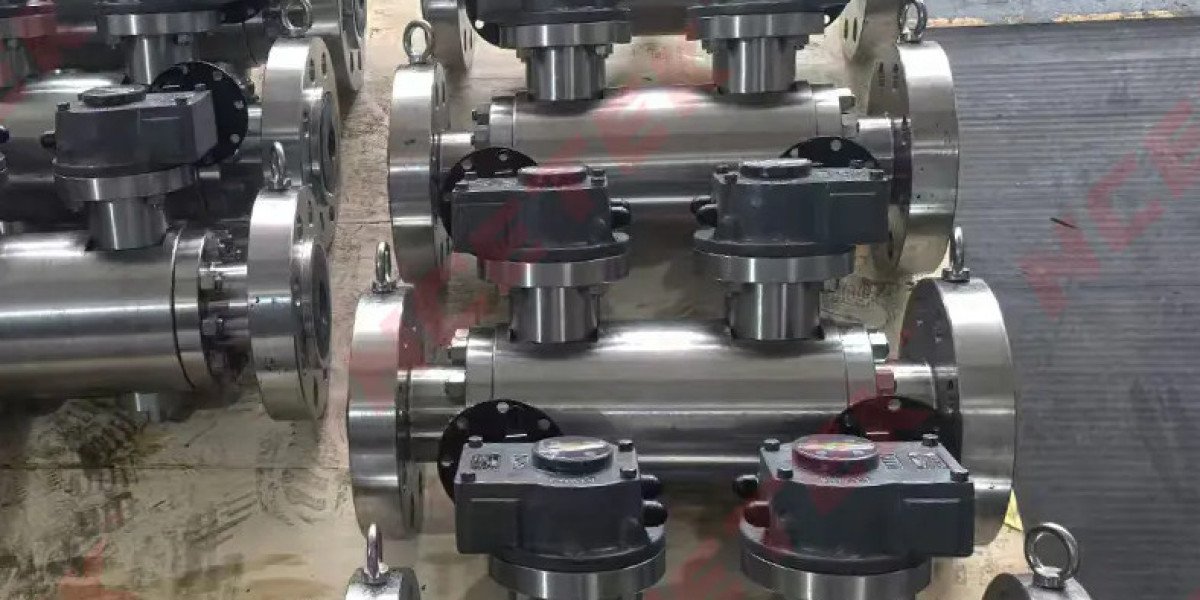

Industrial pipeline systems require dependable valves to manage process media, isolate equipment, and maintain stable operating conditions. Oil and gas facilities, petrochemical plants, chemical processing systems, power projects, and industrial utilities can expose flow control equipment to pressure fluctuations, temperature changes, vibration, and repeated operation. A properly engineered Cast Steel Floating Ball Valve combines a robust cast body with a pressure-assisted floating ball structure for practical industrial isolation.
Cast steel provides a useful foundation for valve body manufacturing. Controlled casting allows manufacturers to produce complex body configurations while maintaining suitable mechanical characteristics. Careful control of raw materials, casting processes, heat treatment, inspection, and machining contributes to consistent body quality.
The floating ball structure uses line pressure to assist sealing. Unlike a trunnion-supported ball, the floating ball can move slightly under pressure. This movement pushes the ball toward the downstream seat, helping establish effective contact between the sealing surfaces and supporting reliable flow isolation.
Application analysis should be completed before selecting the valve configuration. Engineers evaluate process media, operating pressure, temperature range, pipeline layout, installation environment, and expected operating cycles. These conditions influence body materials, seat structures, internal geometry, and actuator selection.
Material compatibility is important for long-term valve performance. Carbon steel can provide suitable mechanical properties for many industrial applications, while stainless steel and other alloys may be considered where greater corrosion resistance is required. Matching materials with actual process conditions helps reduce premature wear and degradation.
Precision machining supports reliable interaction between the ball, seats, stem, and body. CNC equipment can produce critical surfaces with controlled dimensions and finishes. Accurate machining promotes proper alignment, smooth operation, and consistent sealing during repeated opening and closing cycles.
Sealing performance is central to floating valve operation. Seat materials and sealing surfaces must maintain appropriate contact while pressure and temperature conditions change. Proper material selection, controlled surface finishing, and accurate assembly help support stable isolation and reduce unwanted leakage.
Internal flow geometry also influences pipeline efficiency. Properly designed passages allow process media to pass through the valve with limited turbulence and unnecessary pressure loss. Efficient flow characteristics can contribute to stable operating conditions in connected pipeline systems.
Industrial valves may experience vibration, pressure cycling, thermal expansion, and exposure to corrosive media. Cast steel construction provides a strong structural foundation, while suitable materials and engineering analysis can help address mechanical and environmental stresses.
Maintenance planning is an important part of valve lifecycle management. Practical component arrangements can simplify inspection and servicing, while durable internal components can help reduce wear-related maintenance. Better serviceability supports equipment availability and helps operators manage long-term operating requirements.
Floating ball valve technology is used in oil and gas, petrochemical processing, chemical manufacturing, power generation, water treatment, industrial utilities, marine applications, and other process industries. Each application presents different operating conditions, so engineering evaluation remains important.
Automation can improve modern flow control management. Electric and pneumatic actuators can provide remote operation, while position monitoring systems can communicate valve status to centralized control platforms. These capabilities support better process coordination and equipment management.
Durable valve construction can also contribute to responsible asset management. Longer service life can reduce replacement frequency and associated material consumption. Reliable sealing can help minimize process losses, while efficient flow control supports effective use of energy and process resources.
Professional manufacturers can customize valve configurations according to project requirements. Body materials, seat structures, connection arrangements, actuator options, and other components can be evaluated according to process media, operating conditions, and installation environments.
Companies seeking dependable Cast Steel Floating Ball Valve solutions can rely on Zhejiang Naishi Valve Co., Ltd. and its NCETEK brand for engineering development, precision manufacturing, testing, and industrial flow control expertise. Additional product information and valve solutions can be explored through https://www.ncevalve.com/product/.