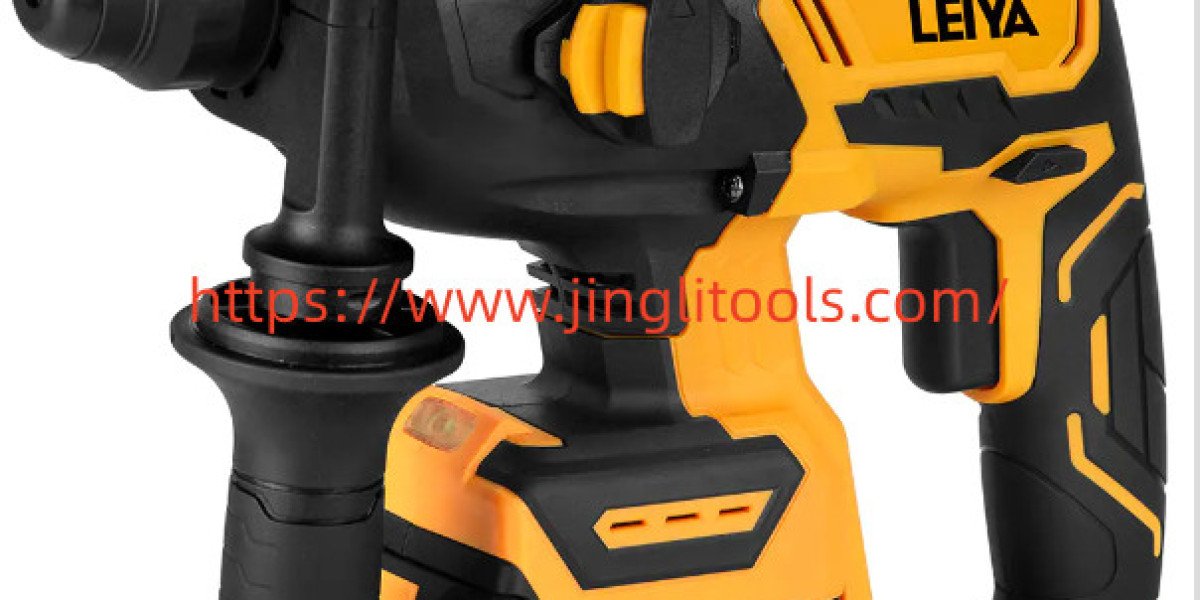

Power Rotary Hammers should be selected according to the actual concrete work rather than based on a single specification or general appearance. Hole diameter, drilling frequency, material density, bit system, impact energy, operating modes, weight, handling, and maintenance requirements can all influence the purchasing decision. A clear understanding of these factors can help buyers compare equipment according to their actual working conditions.
Start With the Concrete Application
The first step is to identify what kind of work the equipment will perform. Occasional small anchor holes require different capabilities from repeated drilling in cured or reinforced concrete. Construction teams may also need equipment for installation, masonry work, renovation, tile removal, or light chiseling.
Frequency matters as much as material. A unit used for a few holes each week does not necessarily need the same configuration as one used throughout a working shift. By recording hole sizes, materials, operating hours, and task frequency, buyers can create a clearer specification before comparing models.
Check Impact Energy
Impact energy is an important specification for concrete applications. It describes the energy delivered during each hammering action and can provide useful information when comparing equipment for demanding materials.
Buyers should consider impact energy together with concrete drilling capacity and the intended hole size. A high blows-per-minute figure does not automatically indicate that a configuration matches a particular application.
The stated impact rating should therefore be compared with the manufacturer's recommended concrete capacity. This can help buyers avoid selecting equipment that does not correspond with the planned workload.
Examine the Shank System
The bit interface should be checked before purchasing. SDS-Plus and SDS-Max are different systems intended for different equipment classes and applications. They also require compatible accessories.
SDS-Plus is commonly associated with smaller and medium drilling applications, while SDS-Max is generally used for larger drilling requirements and heavier work. Buyers should confirm the shank format before building an accessory inventory.
For workshops purchasing several units, standardizing the accessory system where practical may simplify inventory management and reduce confusion when replacing bits.
Consider Hole Size and Frequency
Hole diameter is another useful selection factor. A small mounting hole in masonry creates a different workload from repeated larger holes for anchors or installation work.
The required diameter should be compared with the manufacturer's stated concrete drilling range. Buyers should also consider how many holes are expected during a normal shift.
If a job involves frequent larger holes, selecting a configuration designed around that workload may provide a more suitable working experience. For occasional smaller holes, a lighter configuration may be more practical. The right choice depends on the actual task rather than assuming that larger equipment is always appropriate.
Look at Operating Modes
Some models provide multiple operating modes, such as drilling, hammer drilling, and hammer-only operation. These functions can be useful when a project includes both drilling and light chiseling.
However, additional modes should be evaluated according to actual needs. If a workshop rarely performs chiseling work, purchasing a configuration with functions that are seldom used may add unnecessary weight or complexity.
Buyers should compare the available modes with the tasks they expect to perform during normal production or construction activities.
Do Not Ignore Weight and Handling
Concrete equipment can be heavier than general drilling equipment because of its hammering mechanism and construction. Weight, balance, grip position, side-handle design, and overall dimensions can affect comfort during repeated work.
Overhead applications deserve particular attention. A compact configuration may be easier to handle in confined spaces, while heavier equipment may be appropriate for demanding floor or wall work.
The objective is to match physical design with the working position, task duration, and material being processed.
Review Dust Management and Maintenance
Concrete drilling produces dust and debris, so buyers should consider how the selected configuration handles these conditions. Suitable extraction compatibility and regular cleaning can help maintain a more organized working environment.
Maintenance requirements should also be reviewed before purchase. Check information concerning lubrication, inspection intervals, bit replacement, cleaning, storage, and service support.
A clear maintenance plan can help workshops keep equipment in usable condition and identify potential issues during routine inspections.
Compare the Complete Specification
A purchasing decision should combine several factors rather than relying on one number. Impact energy, concrete capacity, shank format, operating modes, weight, dimensions, battery or electrical requirements, accessories, maintenance, and expected workload should all be considered.
For manufacturers, distributors, contractors, and workshop owners, jinglitools provides equipment options that can be evaluated according to different application requirements. Reviewing specifications against actual job conditions can help buyers select a configuration that fits their intended use.
When planning a concrete drilling project or expanding an existing equipment collection, jinglitools can provide product information for different applications and operating requirements. For available products and further product details, visit https://www.jinglitools.com/