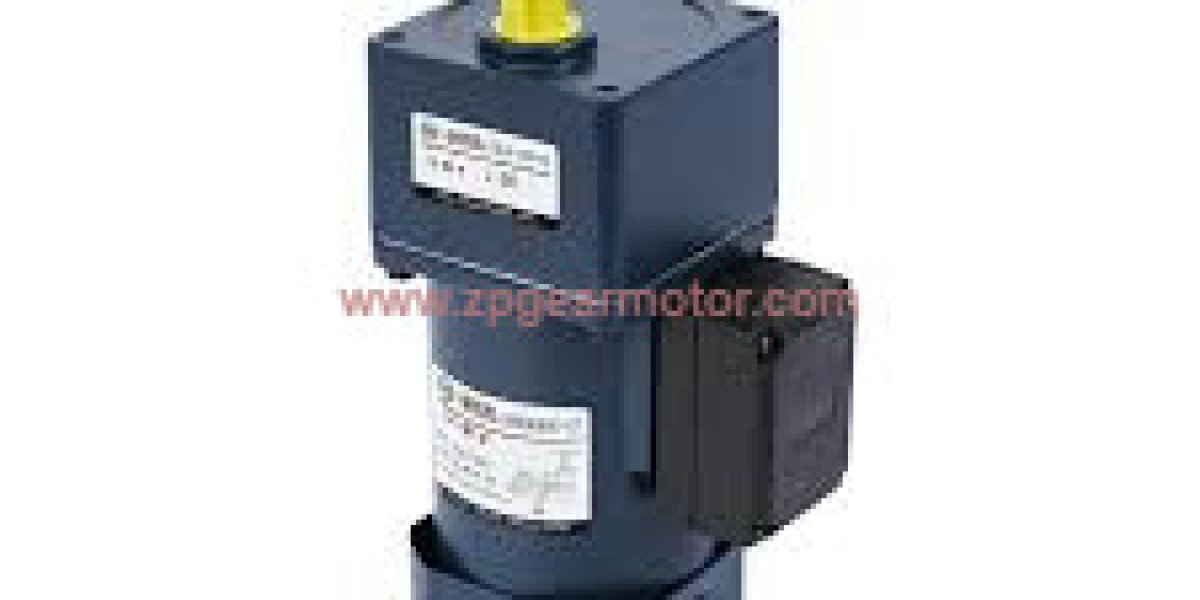

An AC Gear Motor Factory such as zpgearmotor evaluates multiple technical and commercial elements before issuing a unit price. Material selection for the housing, gears, and windings forms the foundation, while gear ratio precision, output torque, and duty cycle further shape the final figure. Certification requirements and order quantity complete the calculation. Have you reviewed how each of these elements applies to the motors required for your equipment?
Housing material exerts a direct influence. Aluminum die-cast housings offer lighter weight and adequate heat dissipation for many continuous-duty applications, whereas cast-iron versions provide higher mechanical strength for heavy shock loads. The choice alters both raw-material cost and machining time. Gear materials follow a similar pattern: standard steel gears suit general industrial use, while hardened alloy gears extend service life under high torque yet raise the unit figure through additional heat-treatment steps.
Gear ratio complexity also contributes. Simple single-stage reductions require fewer components and shorter assembly cycles. Multi-stage or specially cut ratios increase machining precision demands and inspection time, elevating the price accordingly. Output power and torque ratings scale in the same direction; higher continuous ratings call for larger laminations, thicker windings, and more robust bearings, each adding incremental cost.
Efficiency class plays a measurable role. Motors designed to meet elevated efficiency standards incorporate refined core materials and optimized winding patterns that reduce losses. These refinements raise manufacturing cost yet deliver lower long-term energy consumption for the end user. Buyers specifying higher efficiency therefore accept a higher initial unit price in exchange for operating savings over the motor's service life.
Order volume remains a consistent commercial factor. Larger quantities allow the factory to amortize setup time, tooling, and material procurement across more units, reducing the cost allocated to each motor. Small or prototype batches carry higher per-unit overhead because the same preparation steps serve fewer pieces. Consistent annual volume commitments often open further commercial flexibility during quotation.
Customization extends beyond standard catalog offerings. Special shaft dimensions, mounting flanges, terminal box positions, or non-standard voltages require additional engineering review and dedicated tooling. Each deviation from the base design adds engineering hours and potential material changes that appear in the unit price. Clear communication of only the essential deviations helps keep the quotation aligned with project requirements.
Certification and testing protocols form another layer. Motors destined for markets that demand specific safety or efficiency marks undergo documented testing sequences and third-party audits. The associated laboratory time and documentation overhead enter the cost structure. Projects that can accept standard industrial certifications avoid these incremental charges, while those requiring specialized marks incorporate them into the quoted figure.
Supply-chain conditions for copper, steel, and rare-earth elements fluctuate and can shift material costs between quotation and production. Factories that maintain stable supplier relationships and forward purchasing strategies absorb moderate movements without immediate price revision, yet larger commodity swings may still appear in updated quotes. Transparent discussion of material indexation during negotiation clarifies how such movements will be handled.
Assembly and quality-control routines complete the picture. Inline testing for vibration, noise, insulation resistance, and no-load current ensures consistent performance yet consumes floor time and skilled labor. Factories that integrate these checks into continuous flow maintain high reliability without disproportionate cost increases, while those relying on extensive end-of-line rework may reflect higher labor allocation in the unit price.
When these elements are understood together, buyers can prioritize the specifications that deliver required performance while moderating those that add cost without corresponding functional gain. The resulting quotation then reflects a balanced match between technical need and commercial target.
For detailed specification sheets, material options, and quotation guidance related to the AC Gear Motor Factory range offered through zpgearmotor, the product resources at https://www.zpgearmotor.com/ supply clear reference data that purchasing and engineering teams can review before finalizing requirements. Careful alignment of design choices with the factors outlined above supports accurate budgeting and smooth project execution from inquiry through delivery.