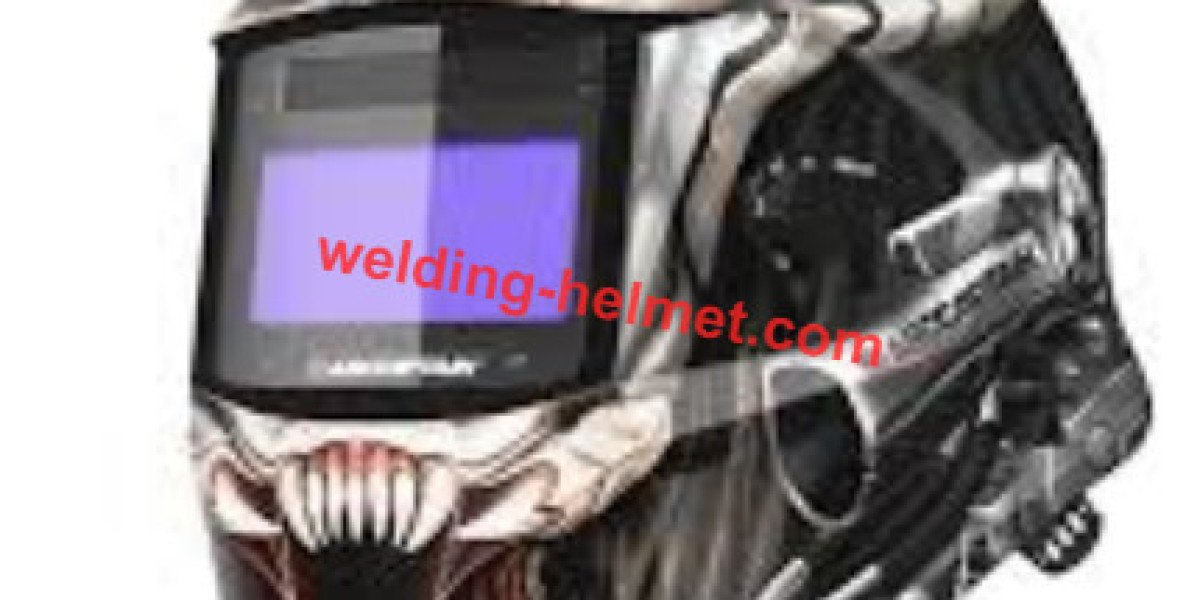

An auto flash welding helmet supplied through welding-helmet often arrives with both solar panels on the front shell and internal cells that store charge. The solar surface collects ambient light and arc radiation to run the sensors and liquid crystal filter while welding takes place. The stored cells supply energy when light levels drop or when the unit sits idle between passes. This dual arrangement keeps the electronics ready without constant manual intervention. Have you confirmed whether your current helmet follows the combined approach or depends solely on replaceable cells?
Solar contribution activates the moment sufficient light reaches the panel. During active welding the arc itself supplies strong illumination, so the cells generate current that supports the darkening circuit and maintains the chosen shade. In a brightly lit booth the panel may even sustain basic functions between short welds. Yet pure solar operation remains uncommon because sensors still require a stable voltage when the helmet rests in a shadowed corner or during the brief interval before the first arc strikes. Manufacturers therefore retain a battery circuit as the foundation that guarantees immediate response.
Battery types vary across models. Some use compact lithium cells that accept recharging through a port, while others accept common button cells that slide into a sealed compartment. The capacity supports dozens of hours of intermittent use under normal shop schedules. When voltage declines the helmet usually signals with a flashing indicator or delayed reaction so the operator can restore power before the next critical joint. Cleaning the solar surface of spatter and dust preserves its contribution and reduces drain on the stored cells.
Ambient conditions influence the balance between the two sources. Outdoor work under direct sun allows the panel to carry a larger share of the load and extends the interval between battery attention. Indoor bays with limited overhead light shift the burden toward the cells, making regular inspection of contacts and charge state part of routine preparation. Temperature extremes also affect performance; cold slows chemical reactions inside the cells while heat can accelerate self-discharge, so storage location matters between shifts.
The dual system supports continuous readiness across process changes. A helmet that moves from low-amperage TIG in a dim fixture to higher-amperage MIG under bright lights still darkens at the correct moment because the solar input supplements the cells whenever light is available. Operators who switch processes frequently therefore gain stable behavior without resetting power preferences each time. Keeping a spare set of cells in the toolbox further reduces interruption if a unit reaches the end of its charge during an extended run.
Maintenance centers on simple habits. Wipe the solar panel after each session to remove reflective debris that blocks incoming light. Check the battery compartment for corrosion or loose fit, and replace cells according to the schedule suggested by the indicator rather than waiting for complete failure. Avoid leaving the helmet face-down on a dirty surface for long periods, because blocked sensors force the electronics to draw extra current while searching for an arc signal.
Understanding the power layout helps operators match helmet selection to their actual duty. Units intended for occasional light fabrication may operate comfortably on modest cell capacity with modest solar assist. High-volume production environments favor designs that harvest every available lumen and maintain larger reserves so the darkening circuit stays active throughout long shifts. In either case the combination of solar collection and stored energy produces consistent protection from the first spark to the final crater.
For detailed diagrams of panel placement, cell replacement sequences, and compatibility notes across common processes that apply to the Auto Flash Welding Helmet available through welding-helmet, the illustrated resources at https://www.welding-helmet.com/ provide clear step-by-step references that operators can consult before the next project begins. Regular attention to both energy sources turns power management into a quiet background habit that supports steady focus on weld quality rather than unexpected interruptions.