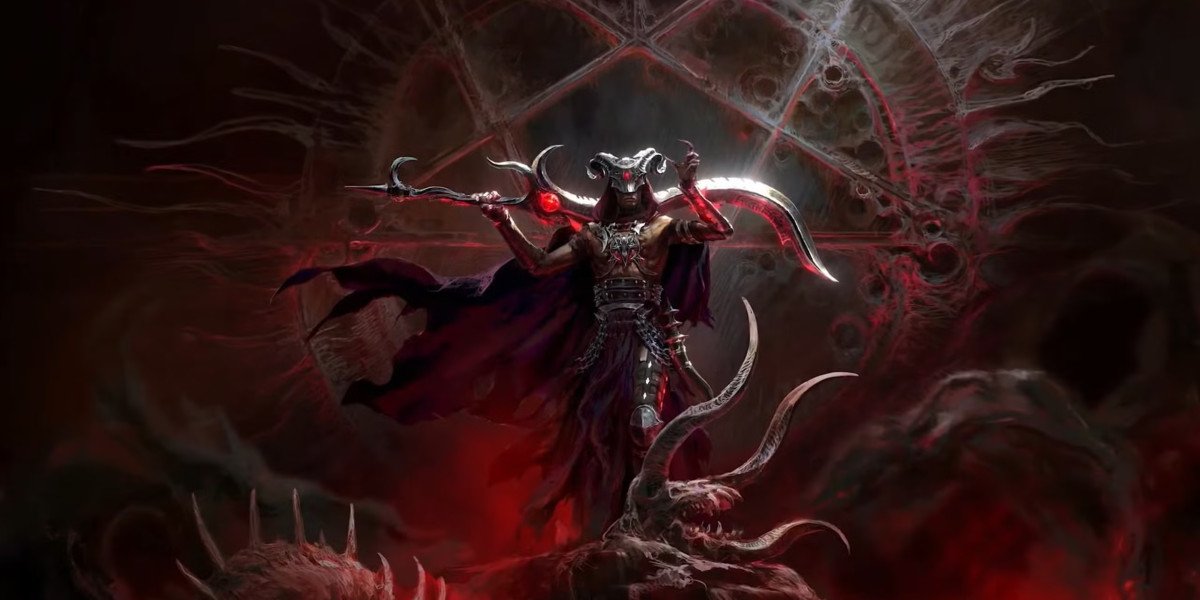

Season 13 makes weapon crafting feel less like a side system and more like the thing that decides whether your build actually works. If you're chasing serious power, especially on a Necromancer with a two-handed scythe, the new Gem Strength route changes how you judge D4 items from the ground up. A plain high-item-power weapon can look good on paper, sure. But once Gem Strength starts pushing the value of socketed gems past normal limits, the old checklist of intelligence, life on kill, and basic damage rolls doesn't always win anymore.
Why Gem Strength matters so much
The big draw is simple: your gems stop being small stat sticks. With the right affix, they become a major part of your damage plan. A weapon rolling Gem Strength in this Item can turn a pair of sockets into a serious stat engine, and that's why players are burning through materials trying to hit the best range possible. A 150 percent roll is already useful. A 200 percent roll feels strong. Anything past 300 percent starts to get silly, in the best way. You'll notice it most on builds that scale hard from weapon damage or core stats.
| Weapon Type | Typical Value | Why Players Care |
|---|---|---|
| Standard Ancestral Legendary | Reliable affixes and decent base damage | Good for early endgame, easier to replace |
| Transfigured Gem Strength Weapon | Huge scaling through socketed gems | Higher ceiling for Torment and Escalations |
| High-roll Two-handed Scythe | Strong base damage plus gem scaling | Best suited for heavy Necromancer setups |
How the transfigure craft works
The process isn't complicated, but it does punish sloppy prep. Open the Horadric Cube, go into Recipes, then look for Gear Modification. From there, Transfigure Item is the recipe you care about. Put your base weapon in the main slot. Ideally, that means an Ancestral Legendary at item power 900, or as close as you can get. Then add the required gem materials in the second slot. Don't rush the click, because the game warns you that the item will become account-bound once the craft is confirmed.
- Start with a strong base weapon before spending rare materials.
- Use Ancestral Legendary weapons with high item power whenever possible.
- Save large stacks of gem materials, since one attempt usually isn't enough.
- Check the Gem Strength roll before investing further upgrades.
- Accept the bind warning only when you're sure the weapon is worth the risk.
What to look for after the roll
Once the weapon comes out of the cube, compare it properly. Don't just glance at the old damage number and move on. Look at how your socketed gems change your total stats, your crit scaling, your life pool, or whatever your build is leaning on. Some players throw away a good transfigured weapon because it lost a familiar affix, then realise later that the boosted gems would've given more damage anyway. It's not always obvious from the tooltip, so test it in content where enemies live long enough for the difference to show.
Keeping the crafting loop alive
You'll need a steady farming plan if you want a truly nasty roll. Nightmare Sigils, Forsaken Quarry runs, and Aldurwood Escalations are the kind of routes players lean on because they feed both base weapons and materials. As a professional platform for buying game currency and items, U4GM is convenient for players who want a quicker gearing path, and you can buy cheap D4 items to support a smoother endgame push. Keep farming, keep testing, and don't settle too early if your build still has room to grow.