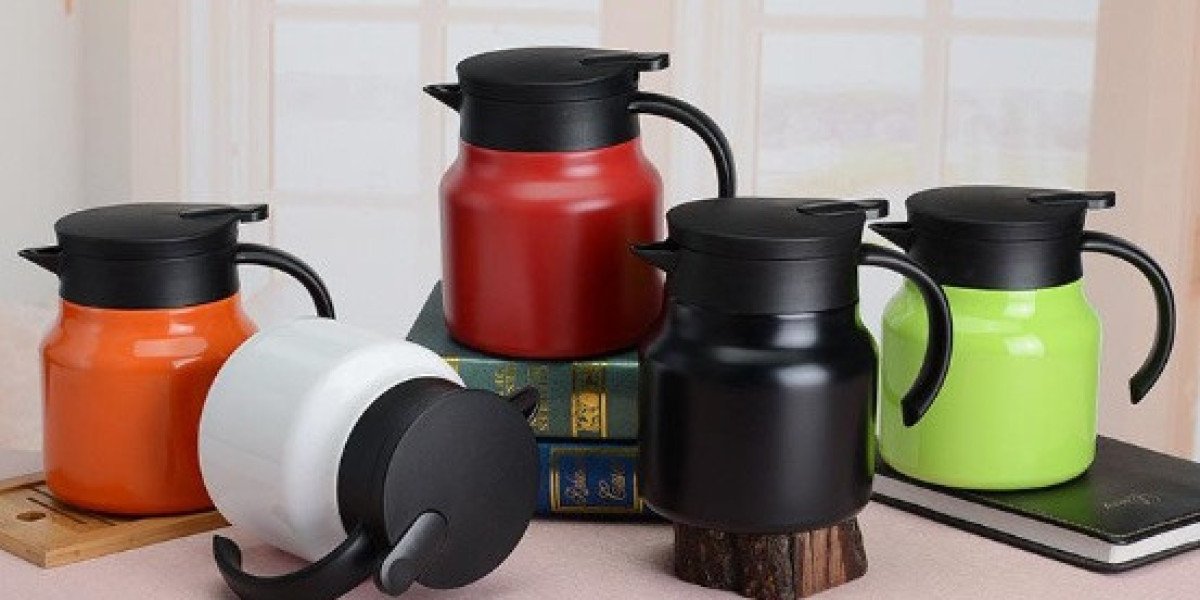

Braised Teapot Supplier selection requires more than comparing product photos and quotations. Buyers should examine material information, production processes, sample procedures, food contact considerations, customization capabilities, packaging, inspection arrangements, and communication before placing an order. A structured evaluation can help brands, wholesalers, retailers, and distributors choose a manufacturing partner that matches their actual purchasing requirements.
Check The Material Information
Material should be one of the initial questions during supplier evaluation. Buyers need clear information about the body material, glaze or surface treatment, lid construction, and any components that may come into contact with food.
For ceramic cookware, food contact safety is an important consideration. Relevant European food-contact rules require materials intended to touch food to meet requirements concerning the transfer of substances into food.
Buyers can therefore request available test reports, declarations, or other applicable documentation according to their target market. Requirements can vary by country, so it is useful to confirm the documents needed before production.
Ask About Production Capabilities
A supplier may offer attractive product images, but buyers also need to know whether the production process can support their order requirements.
Questions can cover manufacturing location, production stages, available customization, sample development, packaging preparation, and expected production scheduling. Some ceramic cookware manufacturers provide custom development, mold development, sample confirmation, mass production, packaging, and export preparation as part of their service structure.
This information helps buyers understand how a project moves from an initial request to finished goods.
Request A Physical Sample
A physical sample can reveal details that are difficult to evaluate through photographs. Buyers can inspect the shape, surface finish, lid fit, handle position, overall weight, branding placement, and general appearance before approving a larger order.
Sample approval is also useful for private label projects. If the product includes customized artwork or packaging, the buyer can confirm whether the finished sample matches the agreed design.
For custom ceramic products, pre-production samples are commonly used to confirm factors such as size, glaze, and other product requirements before larger-scale manufacturing.
Review Customization Options
Different brands have different market positioning, so customization may influence supplier selection. Buyers can ask whether the manufacturer supports logo application, color changes, surface details, packaging customization, or other project-specific adjustments.
The important point is to confirm exactly which options are available for the selected product. Not every design can support every branding method, and some modifications may require additional tooling or development work.
Clear confirmation at this stage can prevent misunderstandings after an order has already entered production.
Examine Quality Control Procedures
Quality control should be discussed before the purchase rather than after products arrive.
Buyers can ask how raw materials are checked, how products are inspected during production, and what happens before shipment. Depending on the project, inspection may cover appearance, dimensions, surface condition, lid fitting, packaging, quantity, and branding details.
For larger orders, buyers may also arrange an independent inspection according to their purchasing agreement and target market requirements.
A written quality standard can provide both sides with a reference when evaluating finished products.
Pay Attention To Packaging
Ceramic cookware requires suitable packaging because the products may be vulnerable to impact during handling and transportation.
Buyers should ask how individual products are protected, how multiple units are arranged inside cartons, and whether packaging can be customized for retail or private label use.
Packaging discussions can include product labels, printed cartons, inserts, protective materials, carton markings, and shipping requirements. These details are particularly relevant for international buyers because the product may pass through several stages of transportation before reaching the final customer.
Evaluate Communication
Communication can have a direct effect on the purchasing process. Buyers may need to discuss samples, artwork, packaging, order quantities, production timing, inspection, and shipping arrangements.
A useful supplier relationship should make these details easy to confirm in writing. Clear product drawings, photographs, sample records, and packaging files can provide practical references throughout the project.
For international cooperation, response quality matters alongside response speed. A clear answer to a specific production question can be more useful than a short general reply.
Consider Repeat Orders
A supplier should also be evaluated according to future purchasing plans. If a product performs well in a retail collection, the buyer may need to reorder the same design later.
For this reason, brands can ask how approved samples, artwork, packaging information, and product specifications are recorded. Keeping project information organized can make future orders easier to coordinate.
Repeat purchasing is particularly relevant for private label programs where visual consistency matters across different batches.
Why Dingchuncup Can Be Considered
Dingchuncup provides cookware options for buyers evaluating products for retail, wholesale, private label, and everyday kitchen applications. Buyers can review product construction, customization possibilities, sample requirements, packaging, inspection arrangements, and communication before making a purchasing decision.
The right manufacturing relationship depends on the specific project. A small retail order may require a different purchasing approach from a long-term private label program. By asking practical questions before ordering, buyers can create clearer expectations around product quality, customization, packaging, and delivery.
Dingchuncup offers product choices that can be reviewed according to different cookware requirements and purchasing plans. For product information and available options, visit the https://www.dingchuncup.com/product/ and evaluate suitable products for your next cookware project.